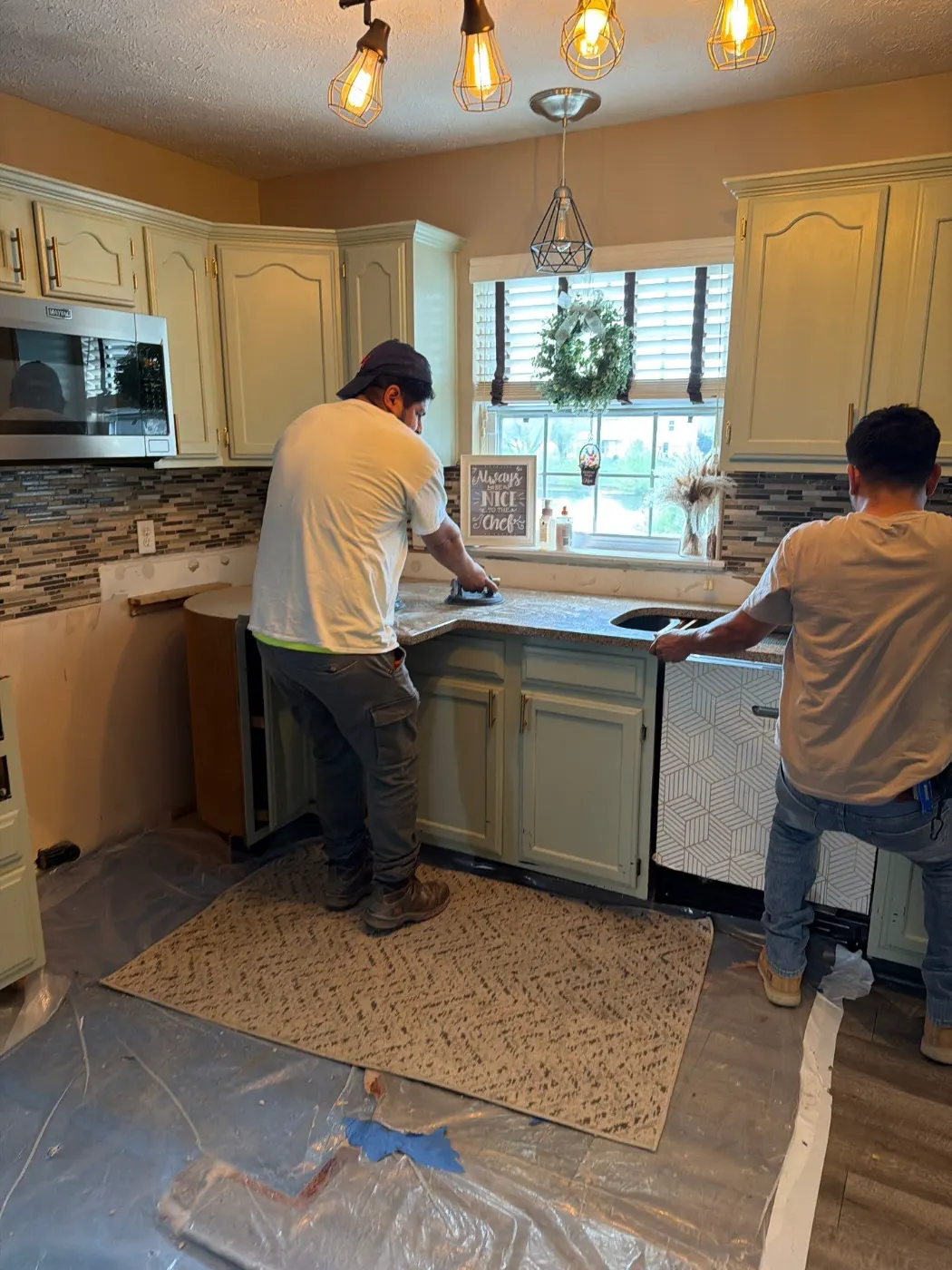
Commercial Storm Damage in Connersville, IN
Commercial water intrusion in Connersville handled start to finish. Dry in, extraction, structural drying, ceiling and finish rebuild.
For Commercial Storm Damage in Connersville, Connersville Water Restoration brings the equipment, the certifications, and the paperwork: 24/7 response, written scopes, and insurance claim support. Call (812) 515-1567 for dispatch.
- Service: Commercial Storm Damage for Connersville homeowners
- Service area: Connersville, IN and surrounding areas
- Response time: Emergency water calls in Connersville get crews rolling, not callbacks
- Licensed and insured (License #RC21100059)
- Serving Connersville, IN since 2018
Commercial Storm Damage Cleanup in Connersville
We'll secure and dry commercial buildings in Connersville after a storm opens the roof or floods a lower level.
Storms Here
The Whitewater River has a flood history that nearby sites should plan around. NWS Indianapolis posts summaries of past storms, which helps when your carrier asks for a date.
We respond to storm calls from businesses anywhere in Connersville, including those around the Central Avenue Historic Downtown District. We also handle commercial storm damage in Metamora, Liberty, Brookville and Richmond.
Commercial Storm Damage for Connersville Businesses
The leak shows up at the same interior wall every time it rains hard, and this time it didn't stop when the storm did. Parapet coping joints and counterflashing details fail quietly, then dump water into the wall cavity behind the finish. Connersville Water Restoration opens the assembly where the meters justify it at your Connersville, IN building, dries the cavity, and documents what the water did on its way down.
A tenant space in Connersville that can't close gets dried in phases. Connersville Water Restoration crews work a section, move the equipment and work the next one, with the loud and dusty parts scheduled when the space is empty. Drying takes a little longer that way and the business keeps running, and the readings for each phase go in the file.
When a roof drain backs up inside your Connersville building, the crew treats the point where the water came out as the center of the job. Sediment and debris get cleaned off the floor and the walls around it before drying begins, and the chase or ceiling space the leader runs through is opened and checked. The building engineer or a plumber clears the drain line itself.
Tenants with stock on the floor will be asked for an inventory list, usually with item, quantity, cost and condition for each line. Purchase invoices and photos support it, and tenants file that claim under their own policies. Connersville Water Restoration supplies the building side of the record for your Connersville property, covering which areas were wet and when each one was released.
Connersville Water Restoration dispatches to commercial water intrusion in Connersville, day or night, weekend or holiday. The crew stops the water, dries the structure, and puts the ceiling and the insulation back when the readings allow it. Call and the team will walk the building with you.
Signs You Need Commercial Storm Damage Restoration
If you notice any of these in your Connersville building, schedule a free inspection before the issue worsens.
Silt or sediment left as a film on the receiving area floor once the water drains off
Light fixtures out in one zone of the ceiling grid after a storm, with the breaker holding
Brown water stains on the ceiling around a rooftop unit's duct drop after each rain
Rust on the metal stud track at the bottom of a wall cavity once an opening is cut
Fresh brown rings on ceiling tile directly under an interior roof drain line
A supply diffuser dripping water or showing rust streaks after a storm
Window sills or curtain wall mullions holding water on the inside face after wind driven rain
Floor drains or cleanouts that gurgle or push water up during a heavy rain
Receptacles on an exterior wall that trip the breaker or show beads of moisture
Cardboard cartons on the bottom pallet positions that have darkened and gone soft
How Connersville Water Restoration Handles Commercial Storm Damage
We follow these steps in order on every Connersville job.
First Call Intake
On the call, the team gathers where the water is entering, which areas are occupied, who holds keys and alarm codes, and who can authorize work, so the crew shows up at your Connersville property with the right equipment and the access it needs.
Extraction and Debris Removal
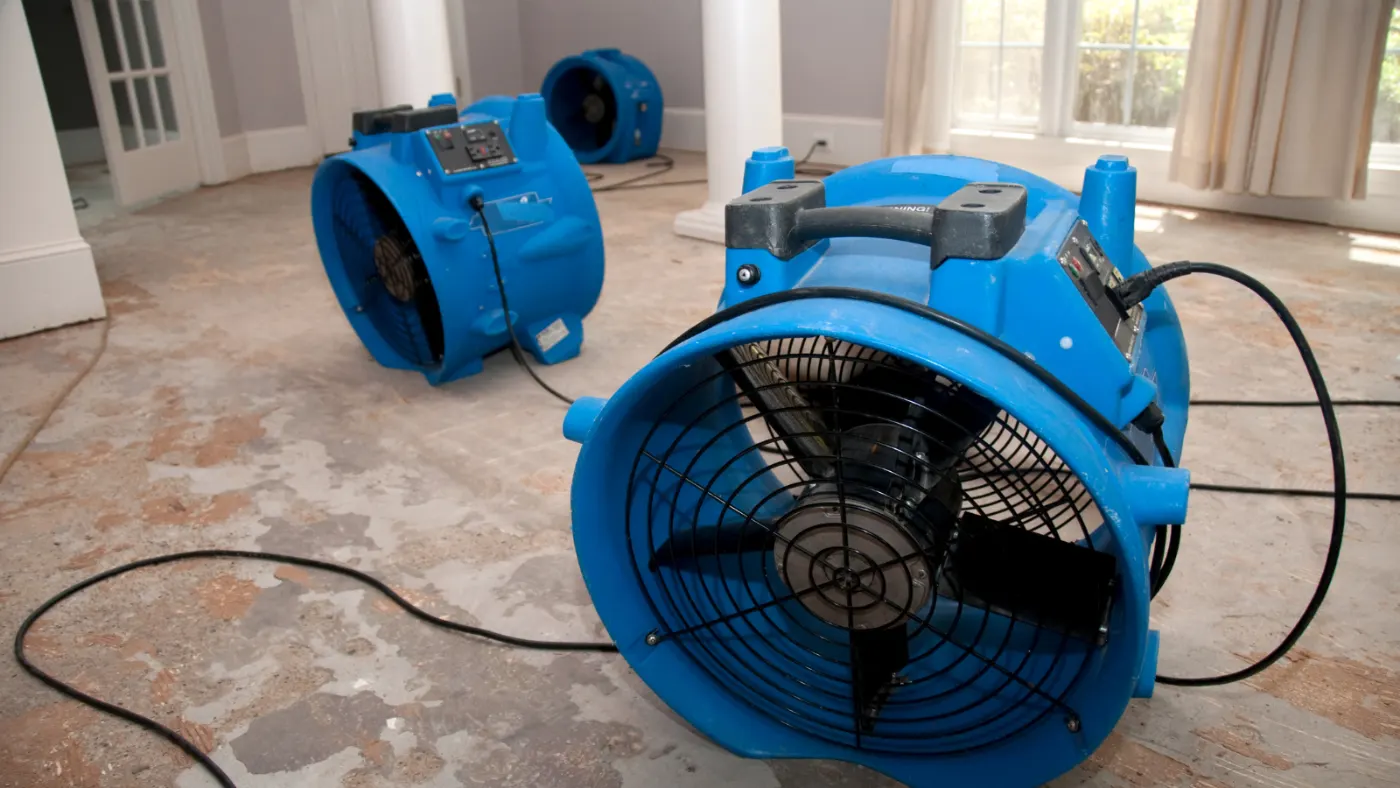
Standing water comes off floors with portable and truck mounted units. Saturated lay in tile and wet batt insulation get bagged and hauled out. Water held in the plenum is released through controlled openings so it stops dripping onto tenant equipment.
Occupied Space Planning
Suites and corridors that must stay in service get marked on the plan before any equipment is staged, along with where the barriers go. The loud work is scheduled for hours when the space is empty.
Slab and Dock Floor Checks
Concrete at a dock or in a warehouse holds water well after the surface dries, so the crew probes the slab at marked spots and keeps dehumidification and air movement running until the readings level off.
Ceiling and Finish Rebuild
Grid gets releveled, new lay in tile goes in, and insulation is replaced to the assembly's original value. Painted surfaces get primed and finished to a line that reads as original, and flooring goes back once slab readings allow it.
Commercial Storm Damage in Connersville
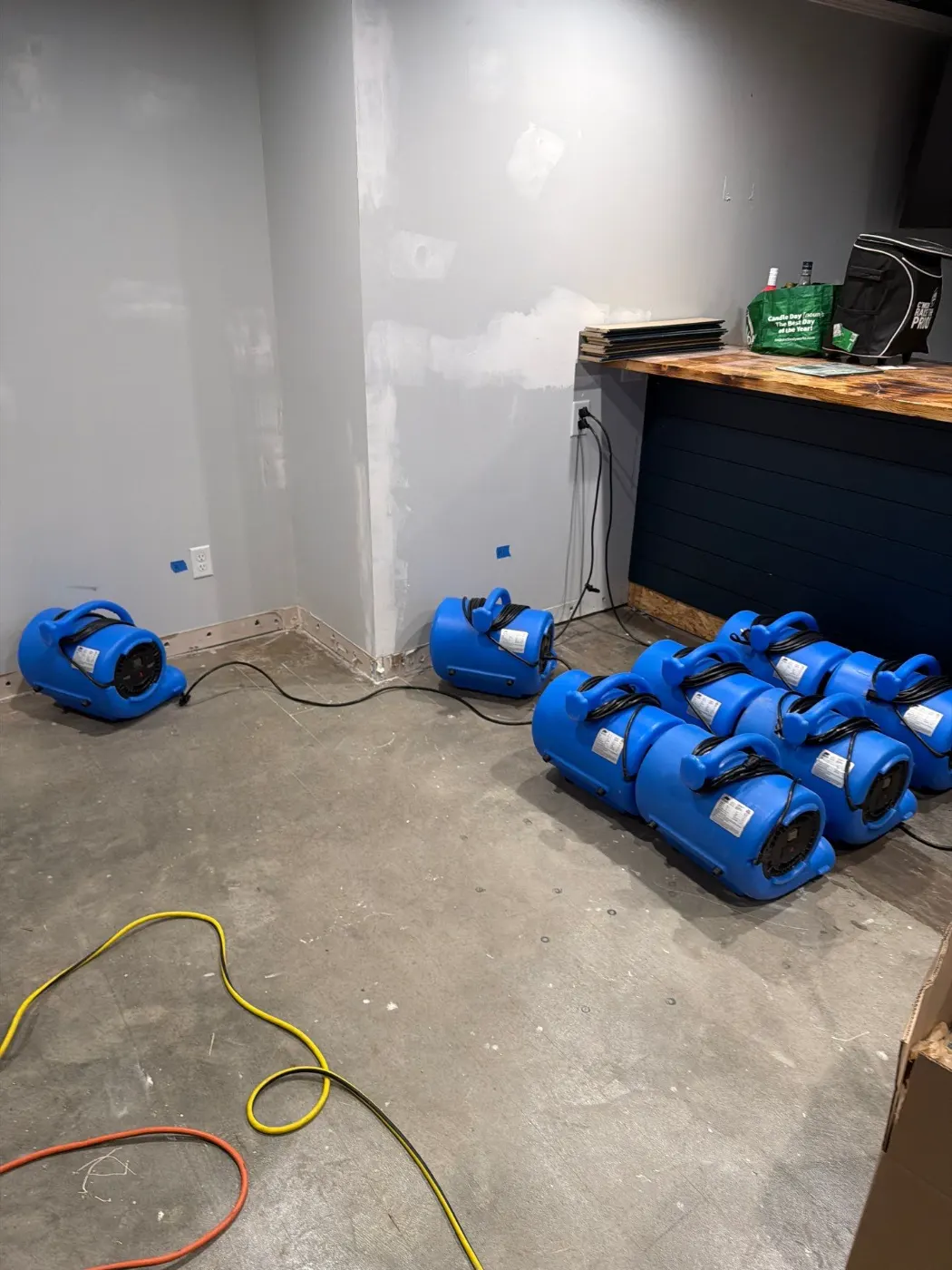
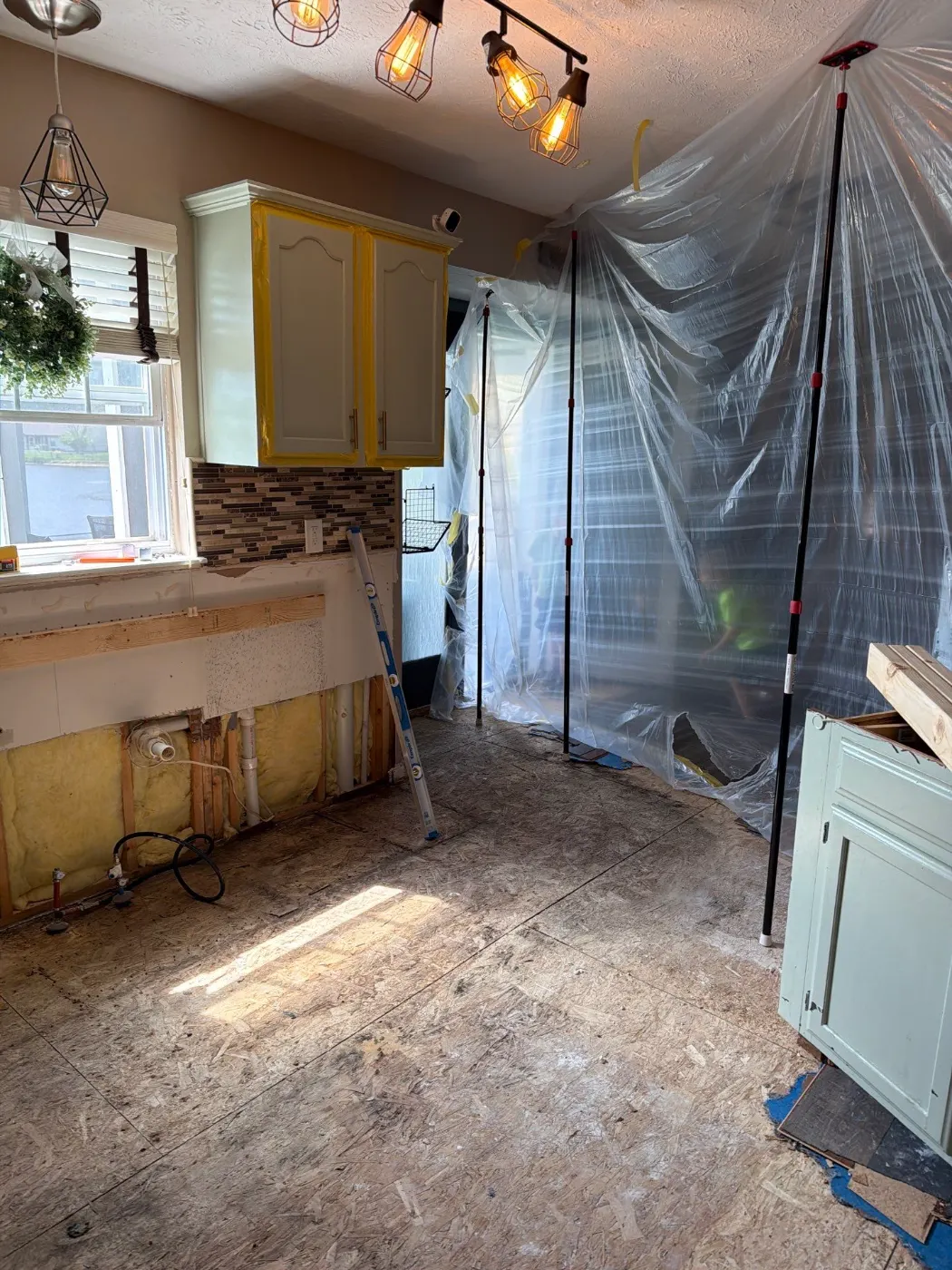
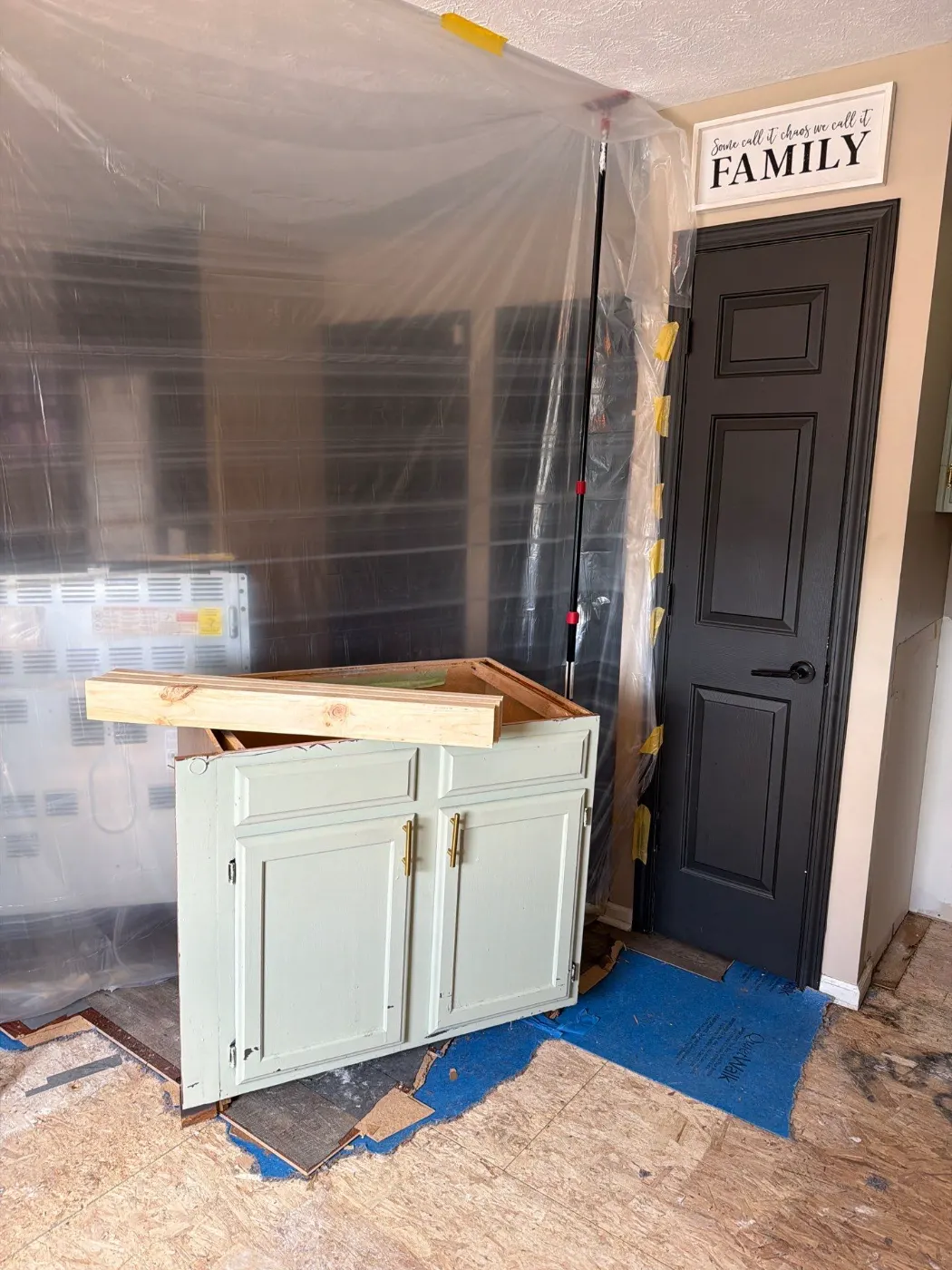
Photographs from real commercial storm damage jobs completed by our crew in Connersville and surrounding areas.
Commercial Storm Damage FAQ
Questions Connersville property managers ask us about commercial storm damage restoration.
Guidance and Standards for Commercial Storm Damage
- The National Weather Service office in Indianapolis posts summaries of recent central Indiana storm and flood events. NWS Indianapolis Event Summaries
- The ANSI/IICRC S500 is the published standard for professional water damage restoration. The current edition is the Fifth Edition, 2021. IICRC S500 Standard
Connersville Neighborhoods We Serve
We take commercial storm damage calls in every part of Connersville. Pick your neighborhood for local details.
Other Restoration Services in Connersville
Connersville Water Restoration handles the full scope of restoration work. Explore our other services below.
Water Damage Restoration in Connersville
24/7 emergency response. IICRC certified water restoration from extraction to full dry out.
Learn more →Basement Flooding in Connersville
Basement water emergencies handled fast. Extraction, drying, mold prevention.
Learn more →Sewage Cleanup in Connersville
Category 3 biohazard cleanup. Full containment, decontamination, structural restoration.
Learn more →Request Commercial Storm Damage Restoration
Reach Us Directly
Our team is available 24/7 for emergencies and ready to schedule inspections during business hours.
Need Immediate Help?
For active water or mold emergencies, call us directly. We are available 24/7.