Commercial Water Restoration in Connersville, IN
Commercial water damage in Connersville handled with documentation your adjuster and your ownership group can both use.
For Commercial Water Restoration in Connersville, Connersville Water Restoration brings the equipment, the certifications, and the paperwork: 24/7 response, written scopes, and insurance claim support. Call (812) 515-1567 for dispatch.
- Service: Commercial Water Restoration for Connersville homeowners
- Service area: Connersville, IN and surrounding areas
- Response time: Fast local response for Connersville; live dispatch every hour of the year
- Licensed and insured (License #RC21100059)
- Serving Connersville, IN since 2018
Commercial Water Damage Restoration in Connersville
For offices and other commercial buildings in Connersville, we'll handle water extraction and drying at any hour.
Site Conditions
Properties near the Whitewater River carry added flood risk in heavy rain. Freeze and thaw cycles each winter can burst pipes in unheated parts of a commercial building. Your building's own drains and roof get checked on the first walkthrough with whoever manages the property.
We cover commercial properties across Connersville, including the area around the Central Avenue Historic Downtown District. We also handle commercial water losses in Brookville, Richmond, New Castle and Rushville.
Commercial Water Restoration for Connersville Businesses
Water on a warehouse slab spreads farther than it looks, because the floor is flat by design and the square footage is large. It runs under racking, beneath pallets, and into the joint where the slab meets the dock wall. Connersville Water Restoration brings desiccant drying and the air mover count that real square footage requires to commercial losses in Connersville, with a crew dispatched within 2 hours of the call.
Finding where the water went decides the whole scope. Connersville Water Restoration crews map with thermal imaging, moisture meters and small inspection holes, then record readings by location so the next day's numbers mean something. On a loss that crossed floors in your Connersville building, that mapping is usually what finds the areas nobody had reported wet yet.
Carpet tile that releases cleanly can be saved. Connersville Water Restoration crews number each tile by position on a sketch before lifting, stage the tiles on dry racks, dry the slab, and set everything back in the same pattern so dye lots and directions line up. Tiles with a failed backing or contaminated water exposure get discarded and replaced from spare stock.
Contents get claimed one item at a time, so the inventory matters. List each item of furniture and equipment by room with a description and a photograph. Connersville Water Restoration photographs contents in place before anything is moved and keeps the list with the job file, which saves your staff from rebuilding it from memory later.
When the same ceiling stains after every hard rain, the file from the last loss saves time on the next one. Connersville Water Restoration hands Connersville property managers the readings and photographs in one package, so a repeat call about the same riser or drain starts from what was found before.
Signs You Need Commercial Water Restoration
If you notice any of these in your Connersville building, schedule a free inspection before the issue worsens.
Recessed lights flickering or a breaker tripping in a room with a stained ceiling
Water heater tank leaking onto a utility room floor and running under the door
Musty smell in a stockroom or storage closet that wasn't there last week
Carpet seams darkening along a corridor even though the surface feels dry
Ice building up on a walk in cooler floor where water collected and refroze
Rust staining at the base of steel studs, shelving uprights or racking posts
Wood flooring in a gym or sanctuary cupping along the edges after a leak
A pipe split in an unheated vestibule or loading dock after a cold snap
Flush valve running over a weekend with water seeping into the hallway carpet
Condensate overflowing from an air handler pan onto the mechanical room floor
How Connersville Water Restoration Handles Commercial Water Restoration
We follow these steps in order on every Connersville job.
Emergency Call Intake
The person who answers asks where the water is coming from in your Connersville building and whether the source is shut off. Access details and your engineer's contact get collected, and you hear what to move and what to leave in place for photographs.
Power and Panel Check
Before equipment goes in, your electrician deenergizes circuits that serve wet areas, and the crew checks outlets and floor boxes for moisture. Drying equipment then runs on protected circuits with the load spread across panels.
Air Handling Coordination
Units that serve the wet zone get identified with your engineer and HVAC contractor. Affected air handling is isolated or switched off, which keeps moisture from riding the return air to unaffected floors.
Moisture Mapping
Every affected area gets read with thermal imaging and both noninvasive and penetrating meters, floor by floor where water moved vertically. The crew photographs the source, and the readings set how much drying equipment each area needs.
Reconstruction and Reoccupancy
Flooring, gypsum board, ceiling tile, grid, millwork and paint go back once the readings clear. Slabs get verified with in situ probes before new glue down flooring covers them, and the space gets walked with you before handover.
Commercial Water Restoration in Connersville
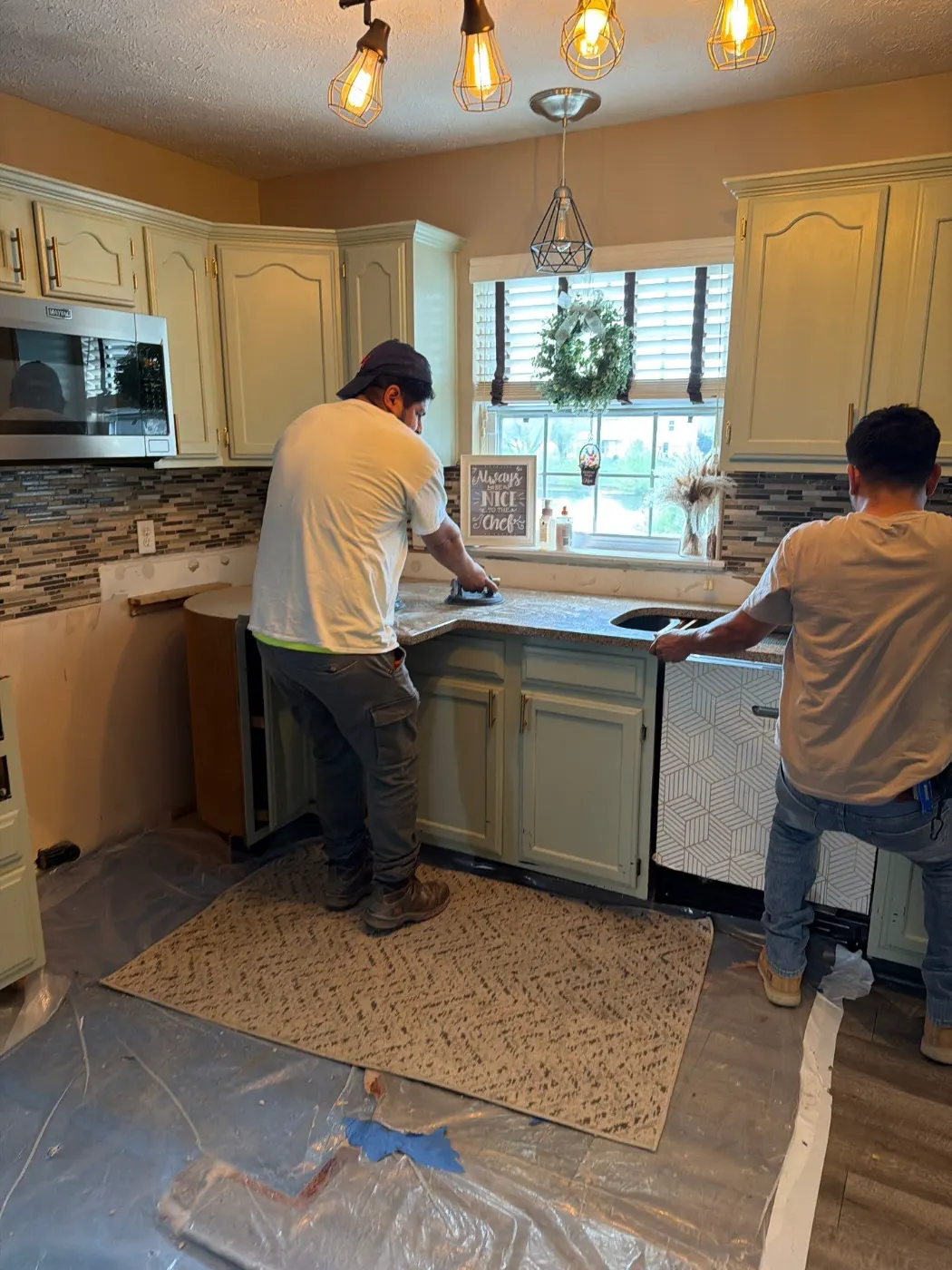
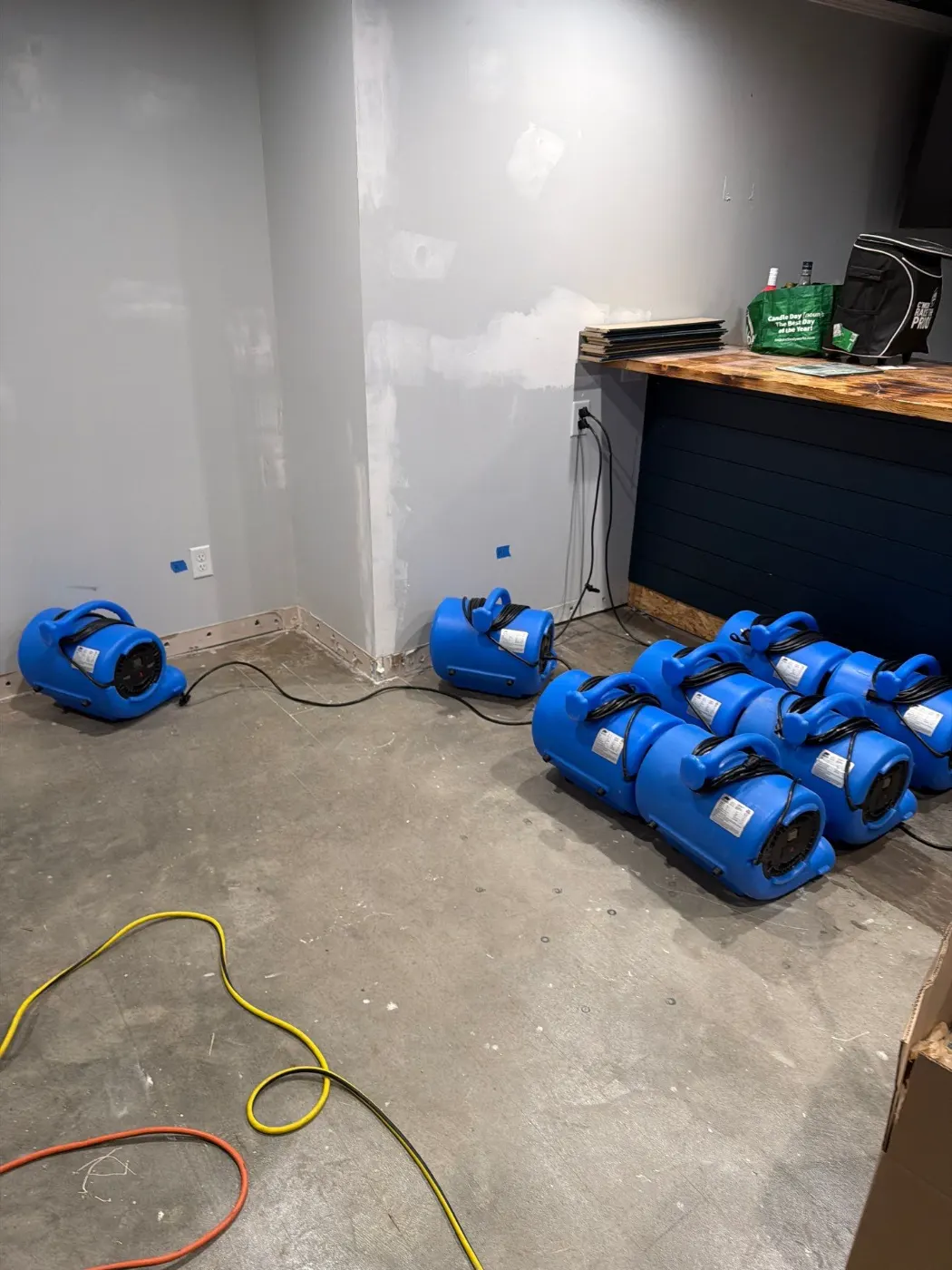
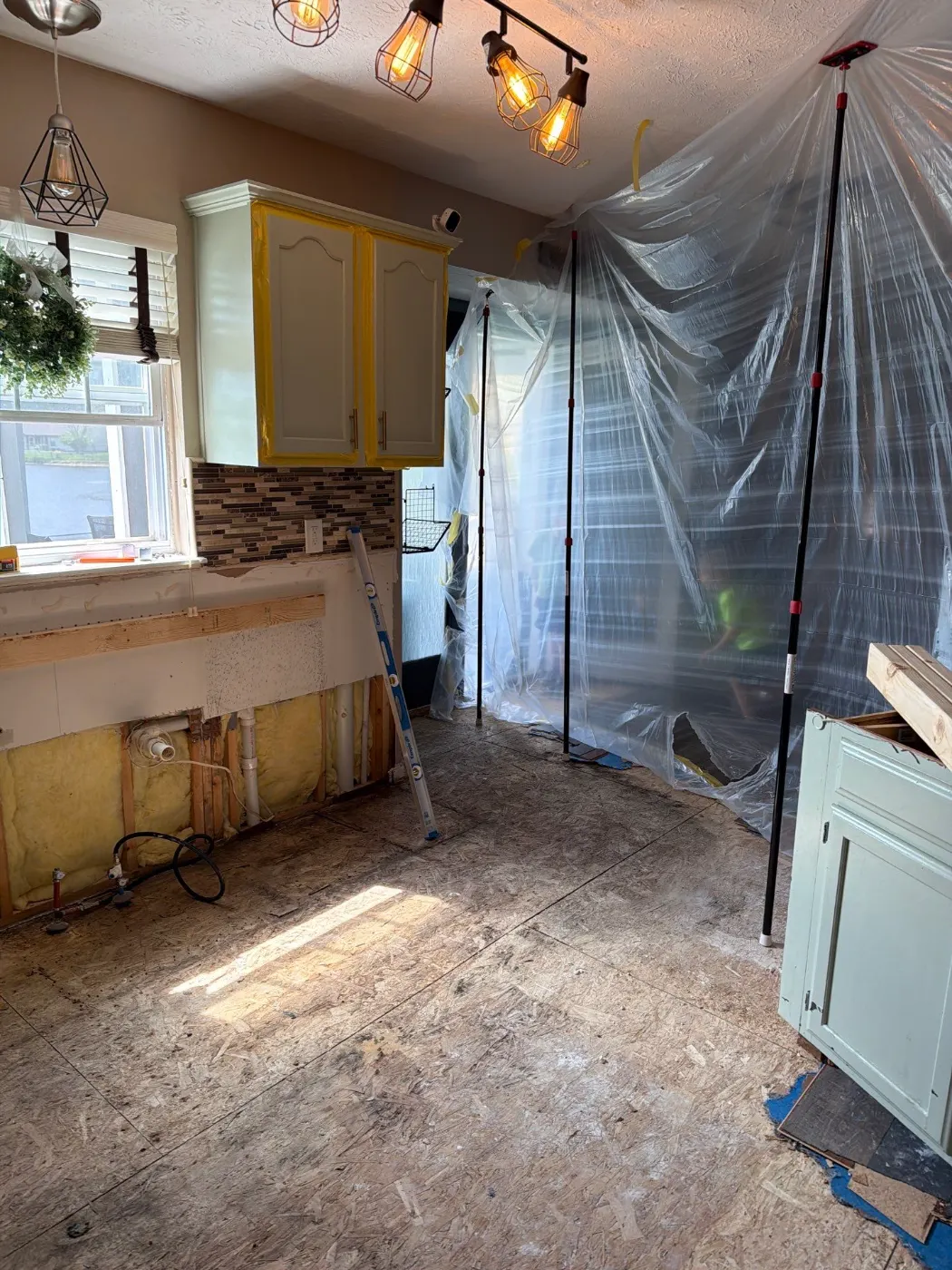
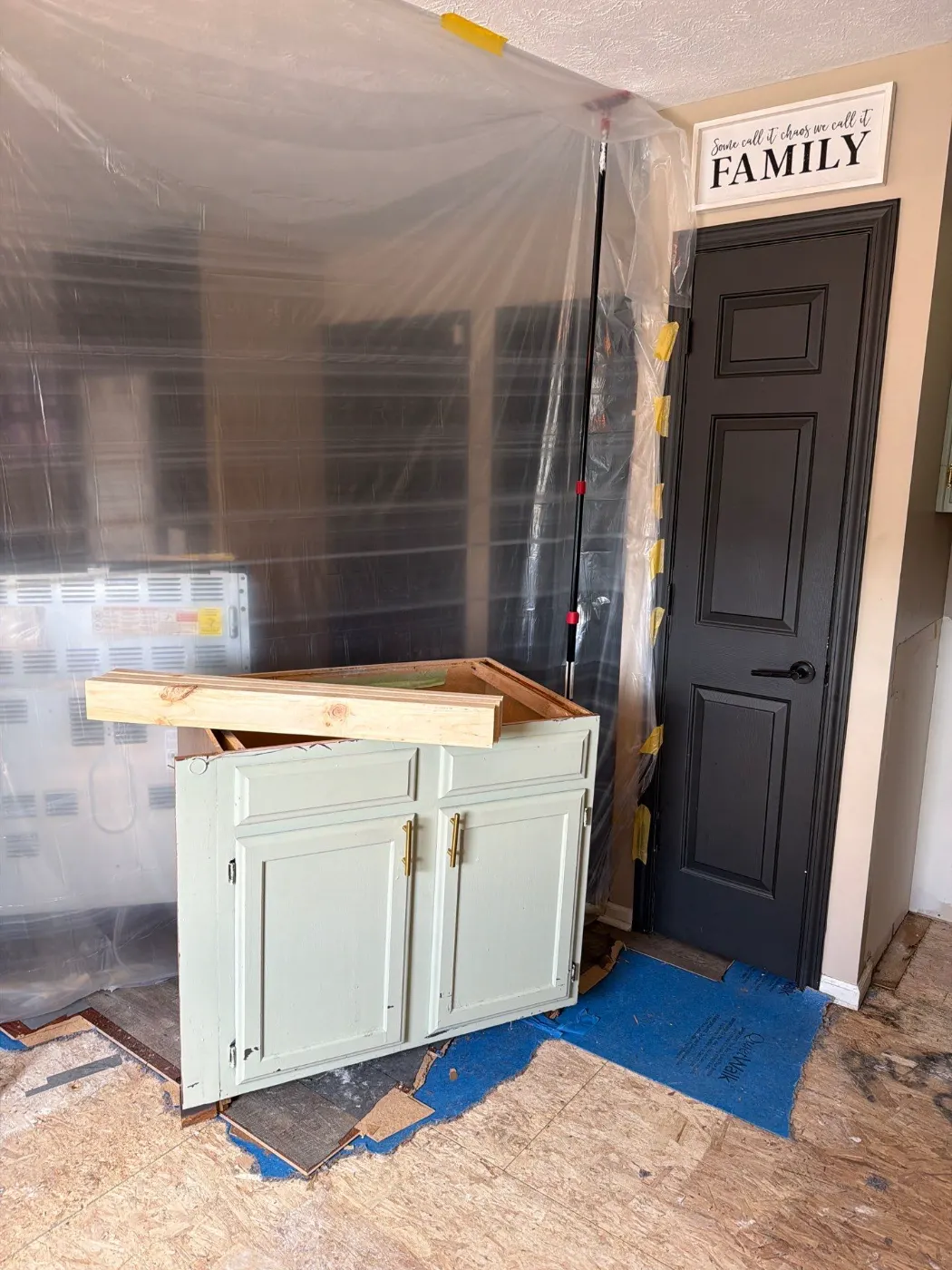
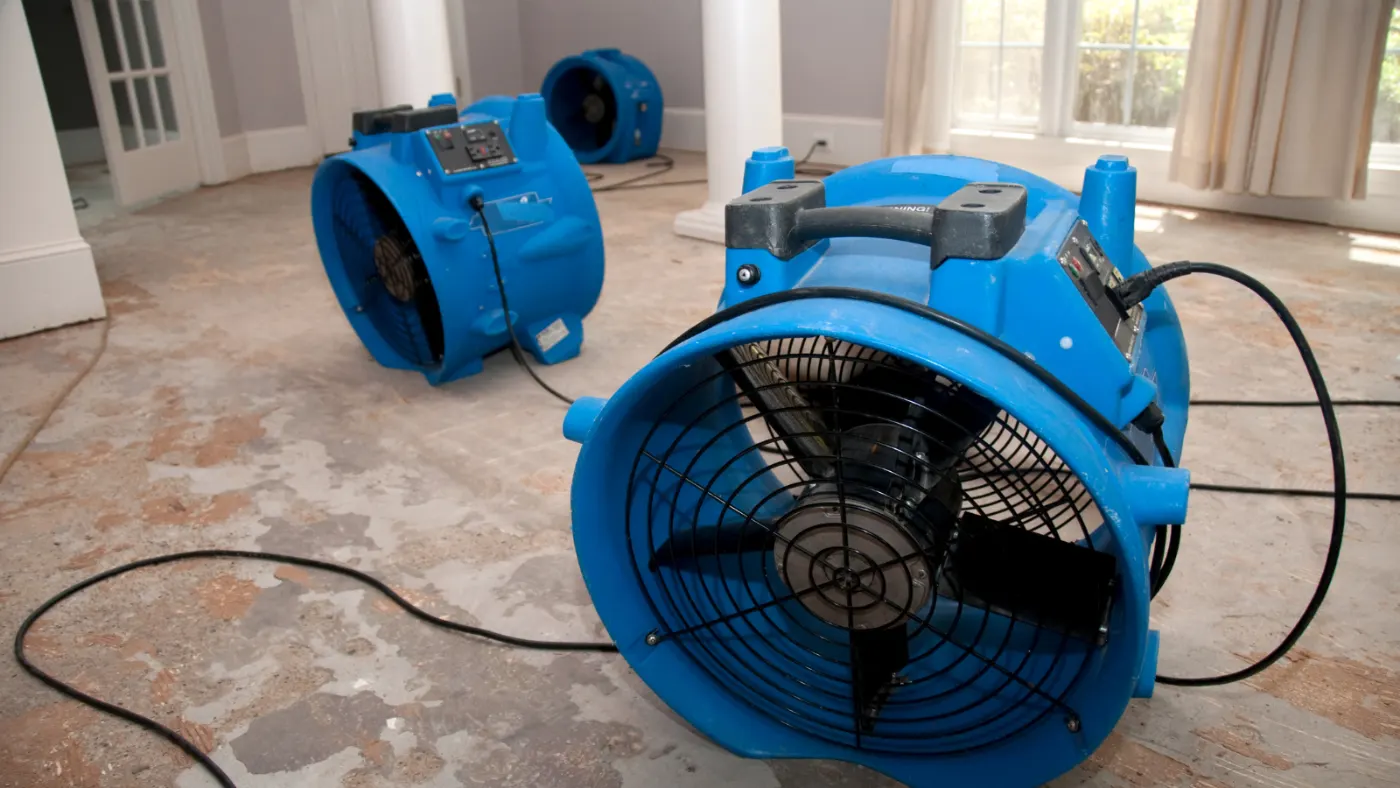
Photographs from real commercial water restoration jobs completed by our crew in Connersville and surrounding areas.
Commercial Water Restoration FAQ
Questions Connersville property managers ask us about commercial water restoration.
Guidance and Standards for Commercial Water Restoration
- The ANSI/IICRC S500 is the published standard for professional water damage restoration. The current edition is the Fifth Edition, 2021. IICRC S500 Standard
- EPA advises drying water damaged areas and items within 24 to 48 hours to prevent mold growth. EPA: A Brief Guide to Mold, Moisture and Your Home
Connersville Neighborhoods We Serve
We take commercial water restoration calls in every part of Connersville. Pick your neighborhood for local details.
Other Restoration Services in Connersville
Connersville Water Restoration handles the full scope of restoration work. Explore our other services below.
Water Damage Restoration in Connersville
24/7 emergency response. IICRC certified water restoration from extraction to full dry out.
Learn more →Basement Flooding in Connersville
Basement water emergencies handled fast. Extraction, drying, mold prevention.
Learn more →Sewage Cleanup in Connersville
Category 3 biohazard cleanup. Full containment, decontamination, structural restoration.
Learn more →Request Commercial Water Restoration
Reach Us Directly
Our team is available 24/7 for emergencies and ready to schedule inspections during business hours.
Need Immediate Help?
For active water or mold emergencies, call us directly. We are available 24/7.