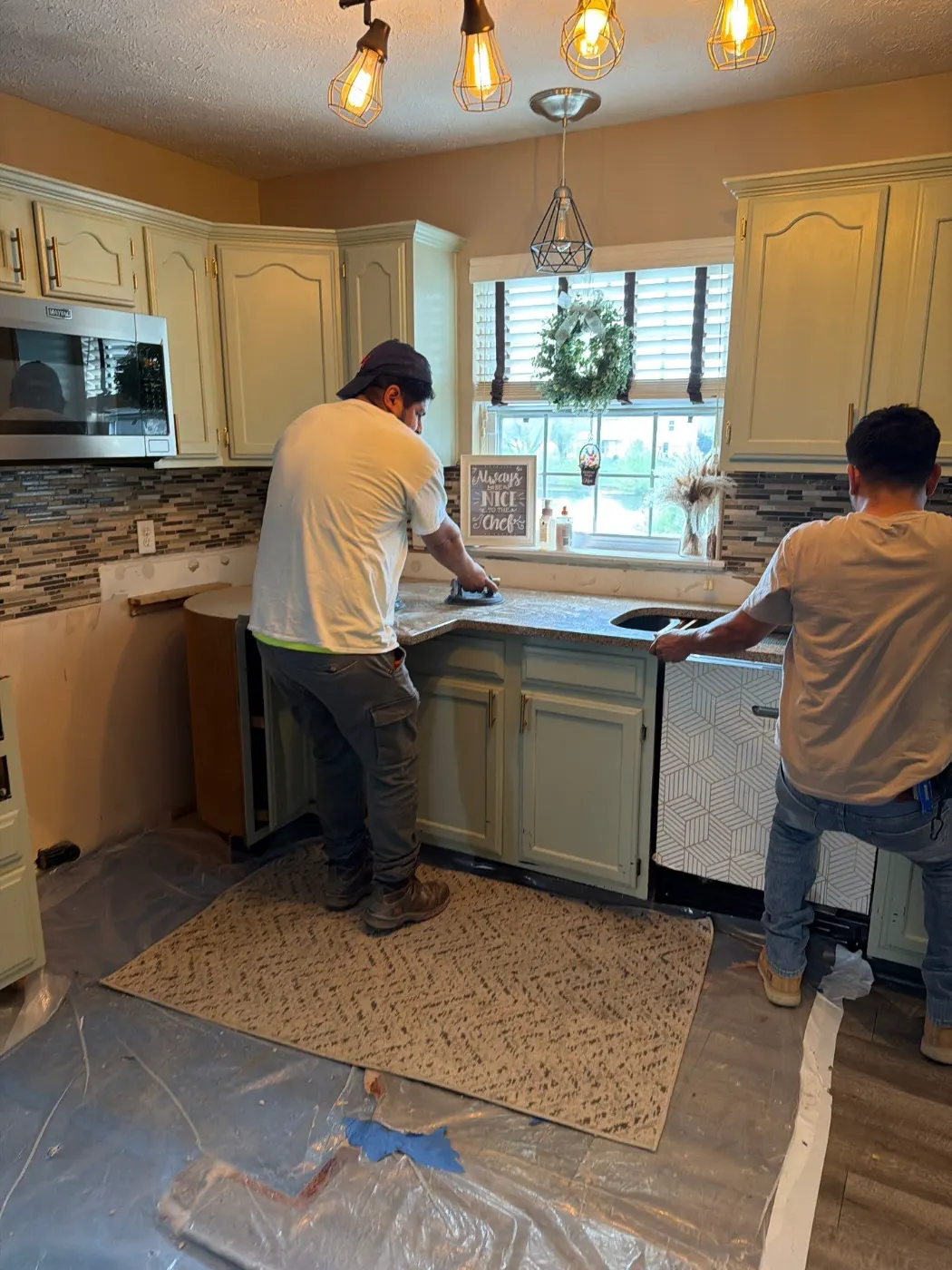
Storm Damage in Connersville, IN
From the first moisture reading to the final dry check, Connersville Water Restoration restores storm soaked homes across Fayette County.
When Connersville homeowners need Storm Damage, Connersville Water Restoration responds 24/7 with certified technicians, fast equipment deployment, and claim ready documentation. Call (812) 515-1567 for immediate dispatch.
- Service: Storm Damage for Connersville homeowners
- Service area: Connersville, IN and surrounding areas
- Response time: Around the clock dispatch; Connersville emergencies move to the front of the line
- Licensed and insured (License #RC21100059)
- Serving Connersville, IN since 2018
Storm Damage Cleanup in Connersville
We handle storm damage cleanup across Connersville, from tarping the opening to drying the house underneath it, and we're out day or night.
Storms Here
The Whitewater River has a history of flooding. If your insurance company asks for a storm date, NWS Indianapolis keeps a list of past events.
Where Storm Water Ends Up
Homes near the Whitewater River can see rising water after heavy rain. With full basements common here, a big storm can bring water in from below as well as through the roof. That makes it a basement flooding job too.
After a storm we can be anywhere in Connersville, from the Eastern Avenue Corridor to the roads around Whitewater Valley Railroad Depot and the Fayette County Public Library. We also handle storm damage in Metamora, Liberty, Brookville and Richmond.
Expert Storm Damage for Connersville Homeowners
Water coming out of a ceiling light or a fan canopy means it's pooling on top of the drywall and has already found the electrical box. Shut off that circuit at the breaker before anything else. Connersville Water Restoration takes storm water calls in Connersville, IN around the clock and dispatches a crew within 2 hours to pull the water out, open what has to come open, and dry the cavity that's been holding it.
Drying can't finish under an active leak, so Connersville Water Restoration covers the opening first. The crew tarps or boards the spot where the storm got in, photographs it before and after, and starts extraction inside on the same visit. The details of the opening get passed to whoever handles the permanent roof or siding repair on your Connersville home.
Storm jobs run in a sequence the building sets, and it starts at the envelope. Connersville Water Restoration stabilizes the opening, pulls standing water, removes the materials that can't be dried in place, sets the drying chamber, monitors it daily, verifies against the baseline readings, and rebuilds. Skipping ahead puts a wet cavity behind new ceiling board, and that comes back as a stain and a second repair.
Storm water claims turn on two questions, which are what opened the building and how far the water went. Connersville Water Restoration documents both from the first visit on Connersville jobs, with photos of the entry point before the tarp goes on, moisture readings by room, and a scope that follows those readings. You keep that record and decide with your insurance company how to use it.
A wet attic is one phone call away from a plan. Connersville Water Restoration dispatches a crew to Connersville, IN with probes, meters and drying equipment, and you'll have the moisture map before anyone opens a ceiling in your house.
Signs You Need Storm Damage Restoration
If you notice any of these in your Connersville home, schedule a free inspection before the issue worsens.
Standing water around the sump pit after the power came back on
Attic insulation that looks matted, flattened or darker in patches
Wallpaper seams lifting or paint peeling at the baseboard after a storm
Damp, earthy air when you open the attic hatch or pull the attic ladder down
Paint or texture blistering along the top of an exterior wall after a windy storm
Interior door frames swollen so the door rubs or won't latch
Water dripping from a ceiling light fixture or running down the canopy of a ceiling fan
A soft or discolored patch of drywall around a skylight, a chimney chase, or a bath vent
Mold spotting on the back wall of an upstairs closet or behind furniture on an outside wall
Drywall below a window that feels soft or crumbles when pressed
How Connersville Water Restoration Handles Storm Damage
We follow these steps in order on every Connersville job.
Power and Safety Check
The crew looks for water near outlets and light fixtures and keeps affected circuits off. Sagging ceilings and slick floors get marked before anyone starts work, and wet electrical gear gets flagged for an electrician.
Water Source Call
The crew checks where the water came in and what it touched on the way, and photographs the entry point. Floodwater that came in at grade gets containment and protective gear before any work starts.
Wall Cavity Inspection
Baseboards and window trim come off where readings run high, and small inspection holes show whether the cavity behind them holds water. Windows and doors that took wind driven rain usually leave the wall base wet first.
Attic and Cavity Drying
Air movers aim at wet surfaces, dehumidification is sized to the containment volume, and negative air cavity drying runs through small ports where a ceiling or wall doesn't have to come down to dry. Humidity gets tracked inside and outside the drying area.
Photo Report
Entry point photos, the water path, the daily readings and the itemized scope go into a photo report you keep. The crew walks you through it, and you sign off on the scope in writing before there's any demolition.
Storm Damage in Connersville
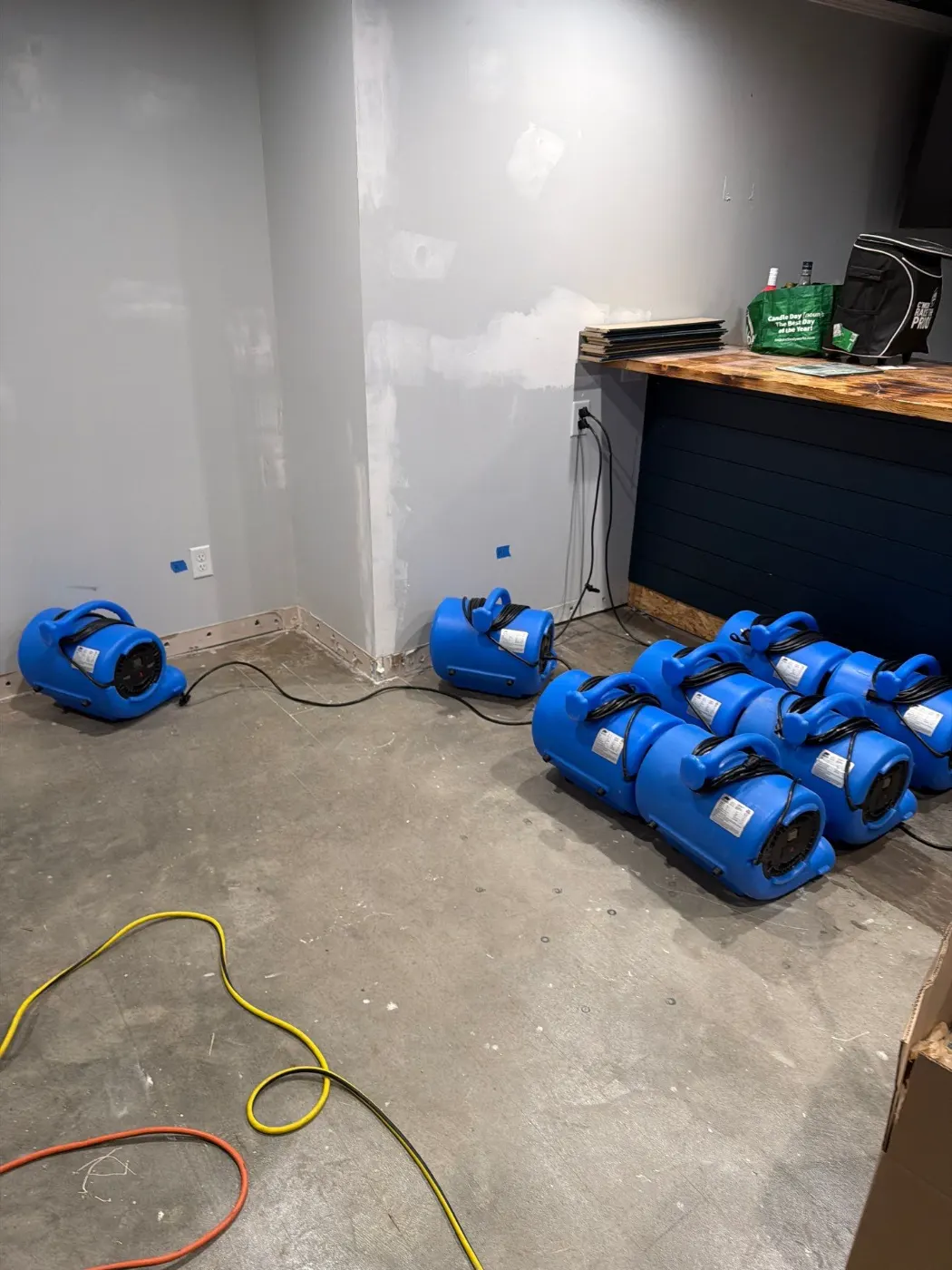
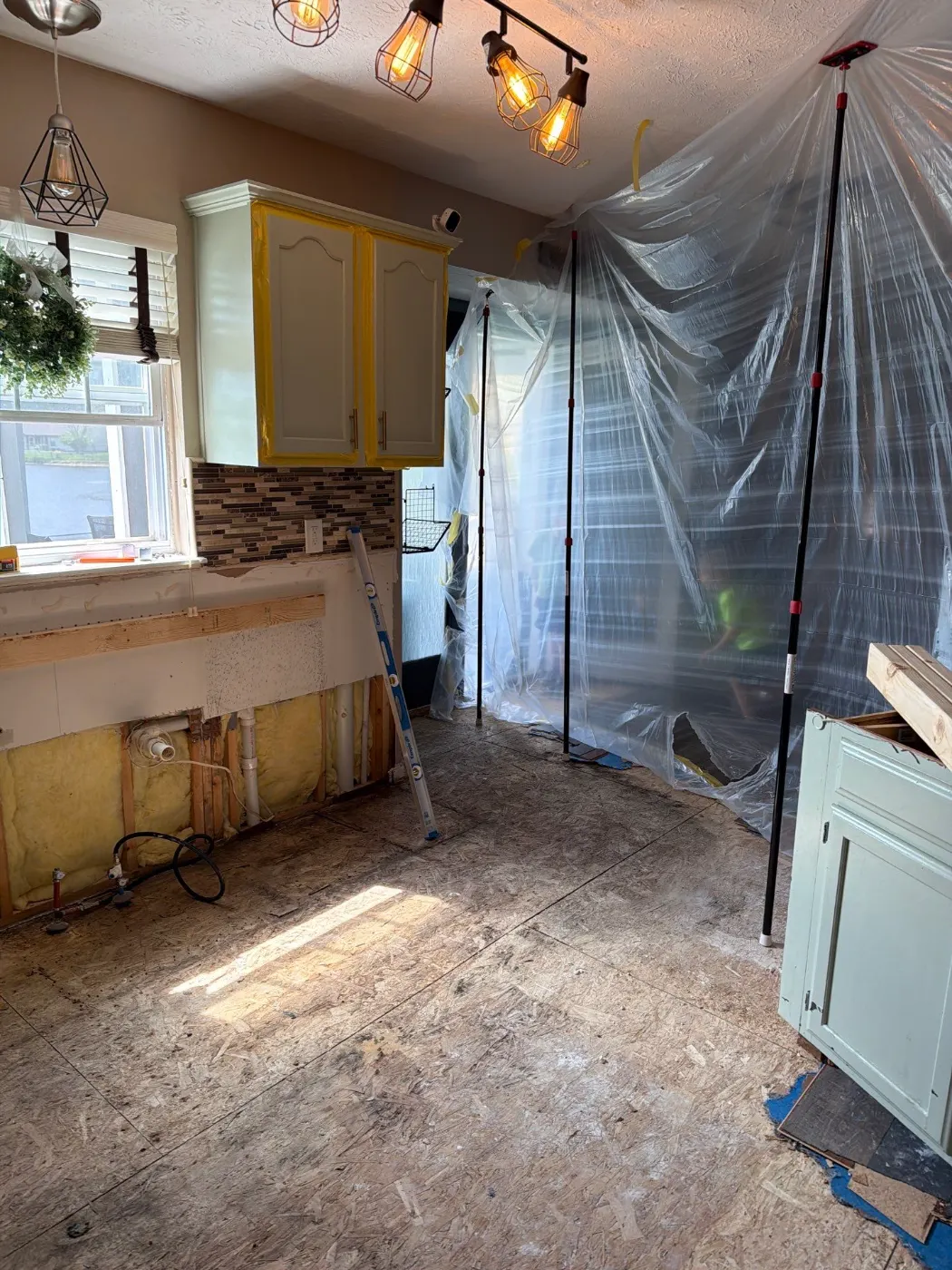
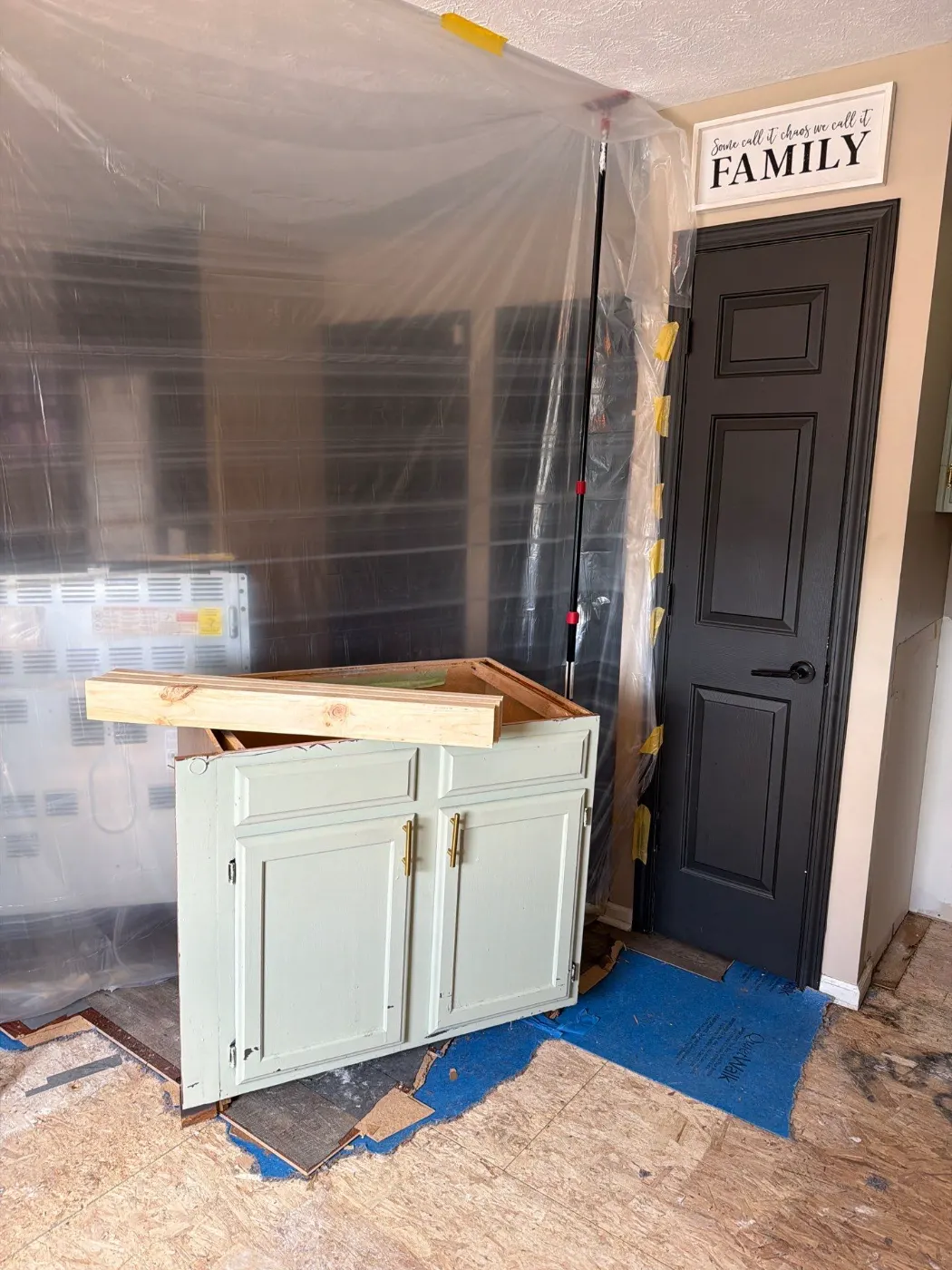
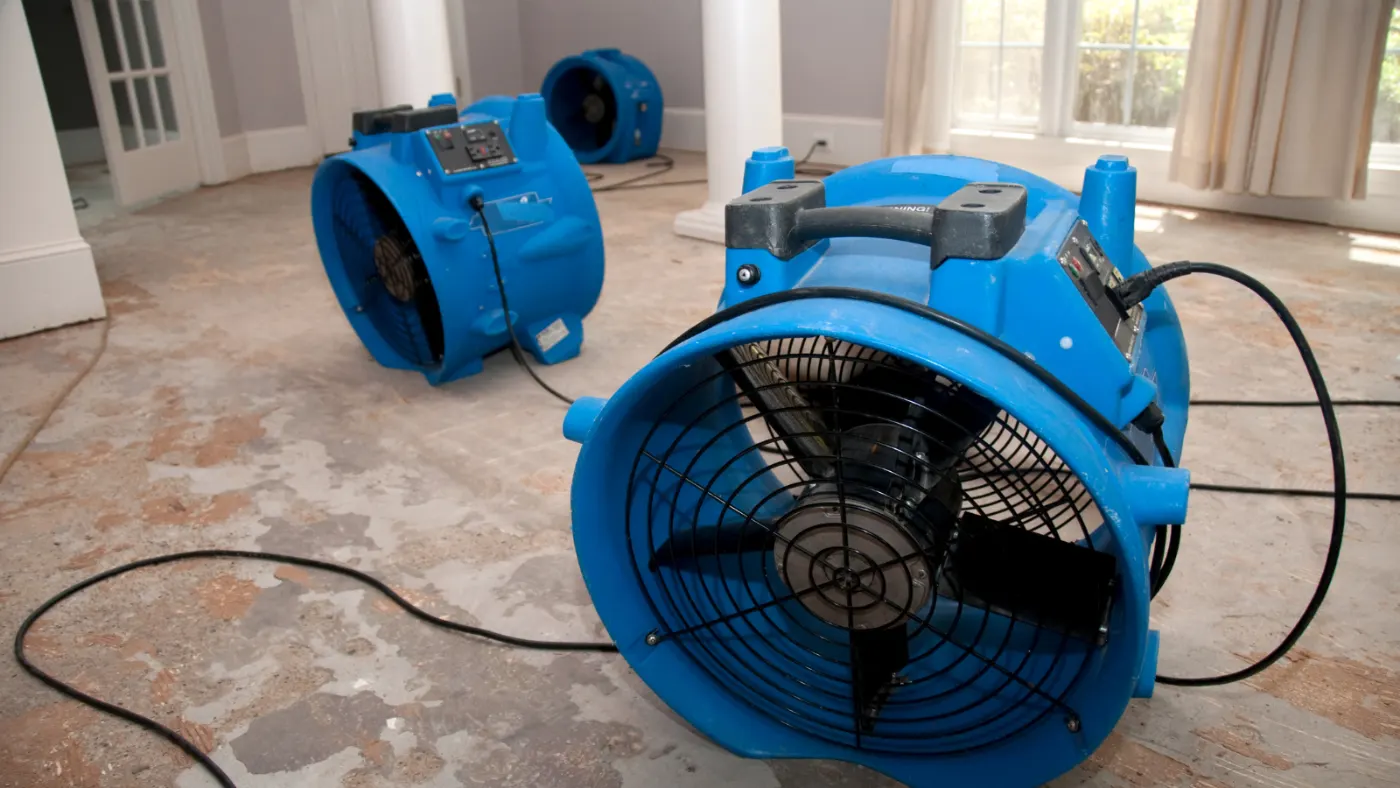
Photographs from real storm damage jobs completed by our crew in Connersville and surrounding areas.
Storm Damage FAQ
Questions Connersville homeowners ask us about storm damage restoration.
Guidance and Standards for Storm Damage
- The National Weather Service office in Indianapolis posts summaries of recent central Indiana storm and flood events. NWS Indianapolis Event Summaries
- The Indiana Department of Insurance advises against permanent repairs before your insurance company inspects the damage. Check your own policy for what it covers. Indiana Department of Insurance: Insurance Claim Tips
Connersville Neighborhoods We Serve
We take storm damage calls in every part of Connersville. Pick your neighborhood for local details.
Other Restoration Services in Connersville
Connersville Water Restoration handles the full scope of restoration work. Explore our other services below.
Water Damage Restoration in Connersville
24/7 emergency response. IICRC certified water restoration from extraction to full dry out.
Learn more →Basement Flooding in Connersville
Basement water emergencies handled fast. Extraction, drying, mold prevention.
Learn more →Sewage Cleanup in Connersville
Category 3 biohazard cleanup. Full containment, decontamination, structural restoration.
Learn more →Request Storm Damage Restoration
Reach Us Directly
Our team is available 24/7 for emergencies and ready to schedule inspections during business hours.
Need Immediate Help?
For active water or mold emergencies, call us directly. We are available 24/7.